

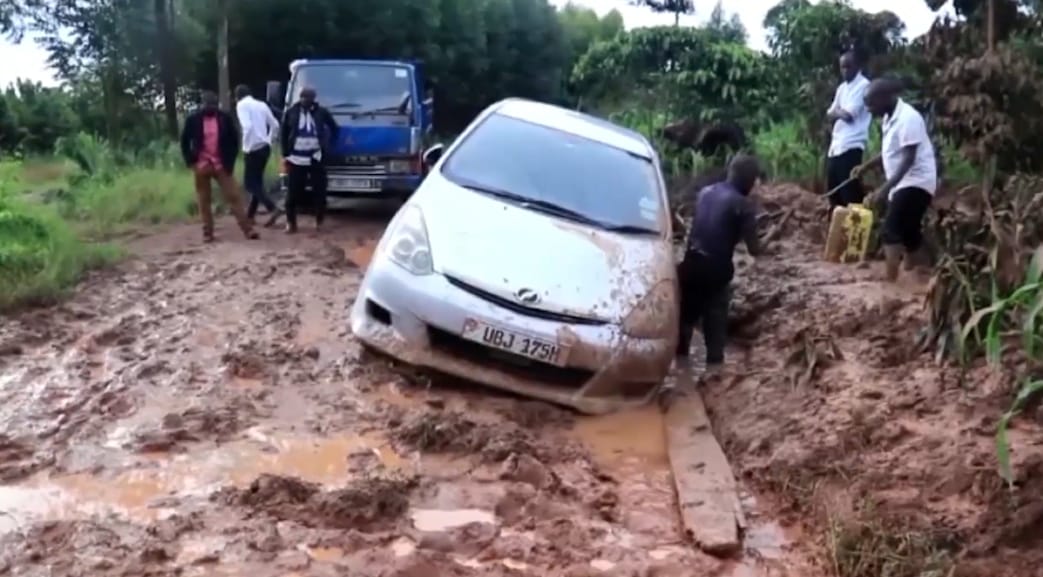
Leaders in Masaka City have intensified efforts to improve rural infrastructure, focusing on roads and bridges to ease the transportation of agricultural produce to markets.
The initiative has kicked off with the construction of a bridge across the Kitanga–Kyenvubu swamp, a vital route linking Masaka City to Kyotera District, which has long been in a poor and impassable condition.
Speaking during an inspection visit, Masaka City Mayor Florence Namayanja said many residents in the area depend on agriculture but have struggled to transport their produce due to the bad state of the road. As a result, farmers were often forced to sell their goods cheaply to middlemen.
She added that the poor infrastructure has also affected school-going children and women, who have faced difficulties crossing the swamp. In extreme cases, residents were forced to remove their clothes to avoid getting wet while crossing, underscoring the severity of the challenge.
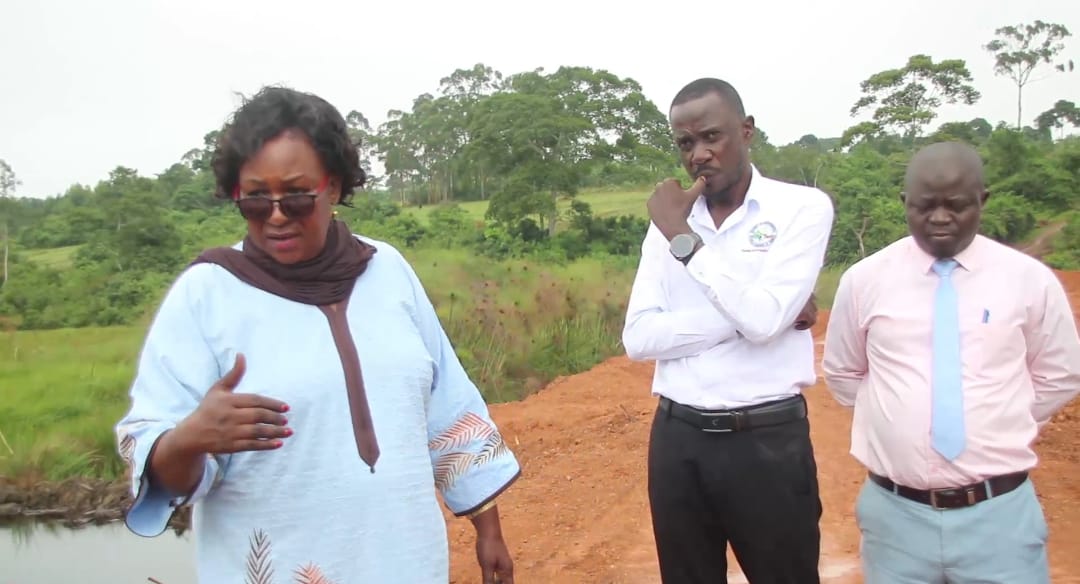
Mayor Namayanja outlined the funding sources for the bridge project and assured residents that more roads across the city will be upgraded to improve accessibility and mobility.
Councillor Rosette Nansubuga welcomed the development, noting that residents can now transport their goods more easily to market. Vicent Kasumba, Vice Chairperson of the Masaka City Traders Association, added that the bridge will enhance security in the area, which had previously been risky for residents.
Residents praised city authorities for addressing a long-standing challenge, describing the bridge as a major relief.
Later, during a meeting with residents in Kitanga Town, concerns were raised over stray dogs and the lack of public sanitation facilities, which has contributed to poor hygiene.
In response, Mayor Namayanja urged residents to avail land for the construction of modern public toilets and emphasized the need for improved sanitation and cleanliness.
She also pledged to transform Kitanga into a model township by installing paved walkways to reduce dust and improve the area’s overall outlook.
